BALI
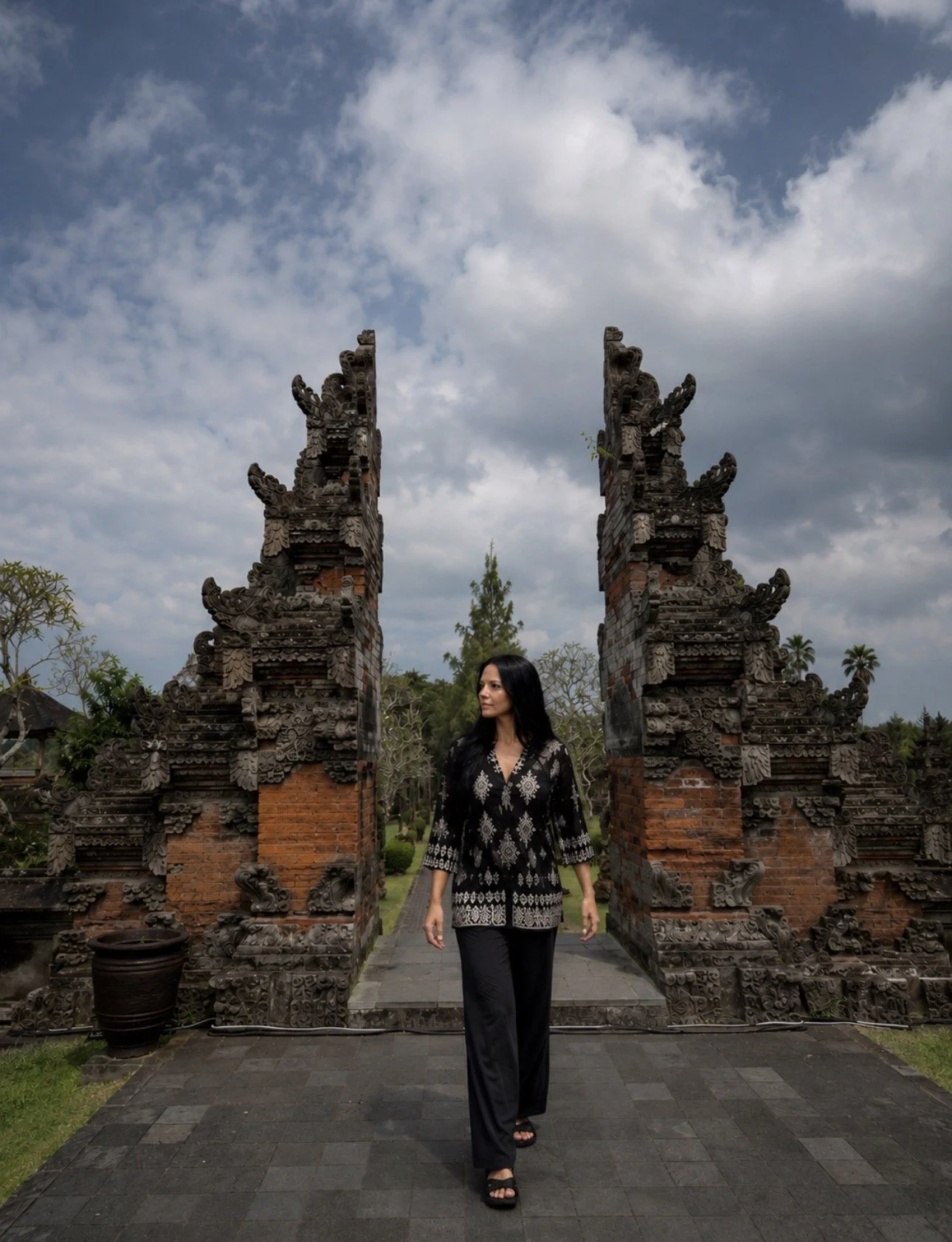
Bali revealed itself slowly. Not through a single view or perfect moment, but through details that seemed almost too quiet to notice at first — the rhythm of daily offerings, the stillness of sacred spaces, the generosity of people, and the sense that beauty here is rarely separate from meaning.
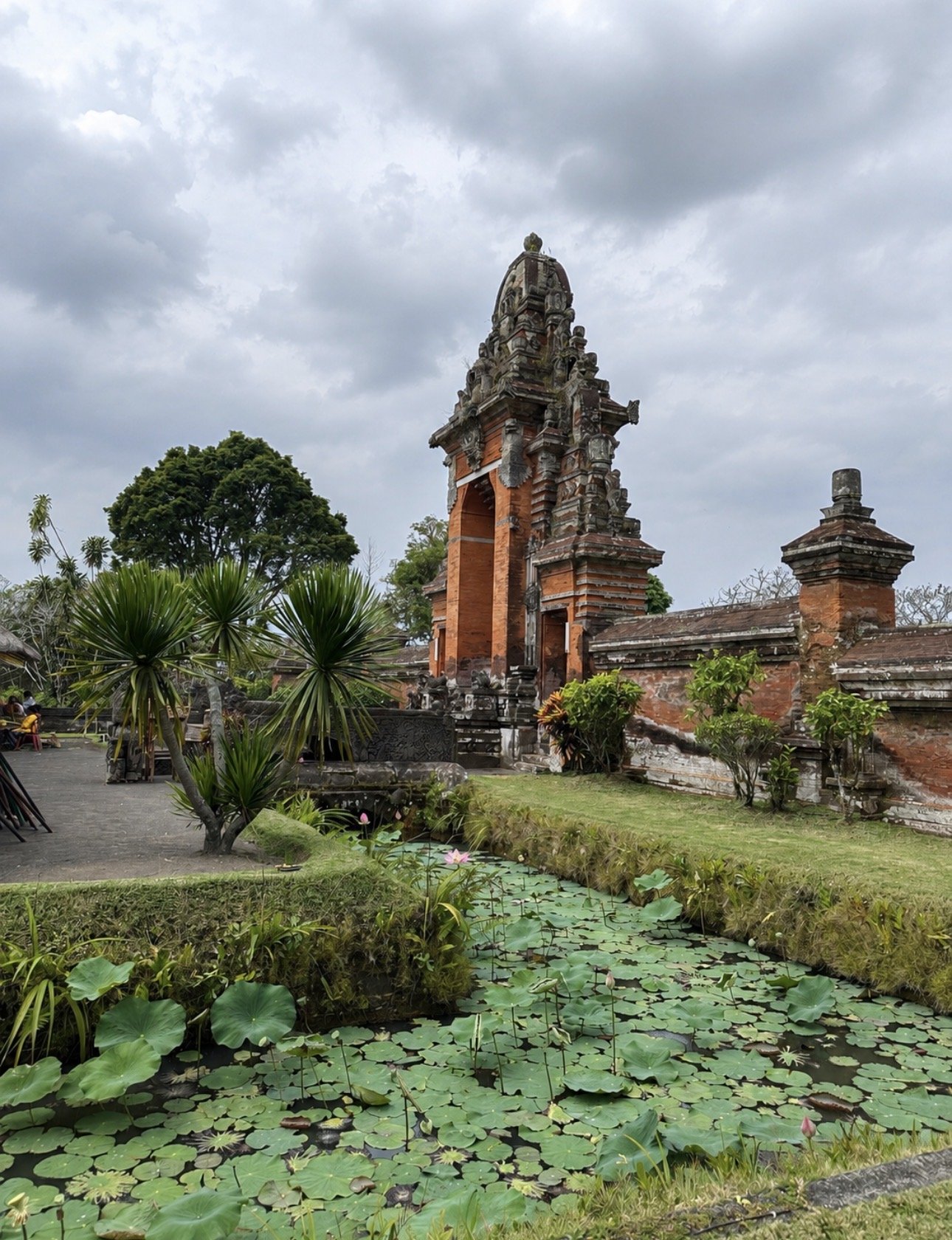
Pura Taman Ayun offered another glimpse into the quiet relationship between beauty and devotion that seems to exist everywhere in Bali. Built in Mengwi, its courtyards, gardens and layered temple architecture feel less like separate elements than parts of one carefully composed whole. Water moves alongside stone, tropical vegetation softens ancient walls, and every structure appears to have its place. What stayed with me was not simply the beauty of the temple, but the sense of balance within it—a reminder that in Bali, the sacred is not removed from everyday life. It lives within it.
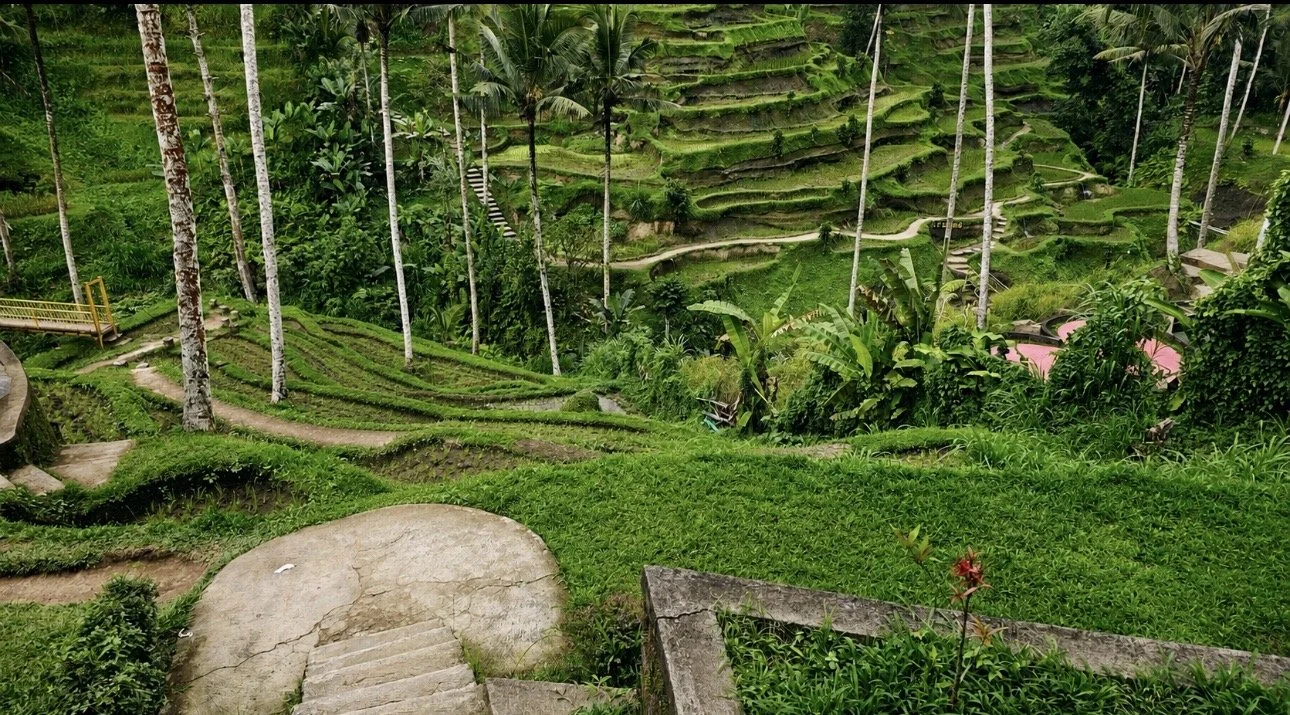
The landscape in Bali seems to possess a character of its own—ancient, lush, and almost otherworldly. The rice fields do not simply frame the journey; they seem to shape its rhythm, carrying a stillness that feels both mysterious and deeply alive.
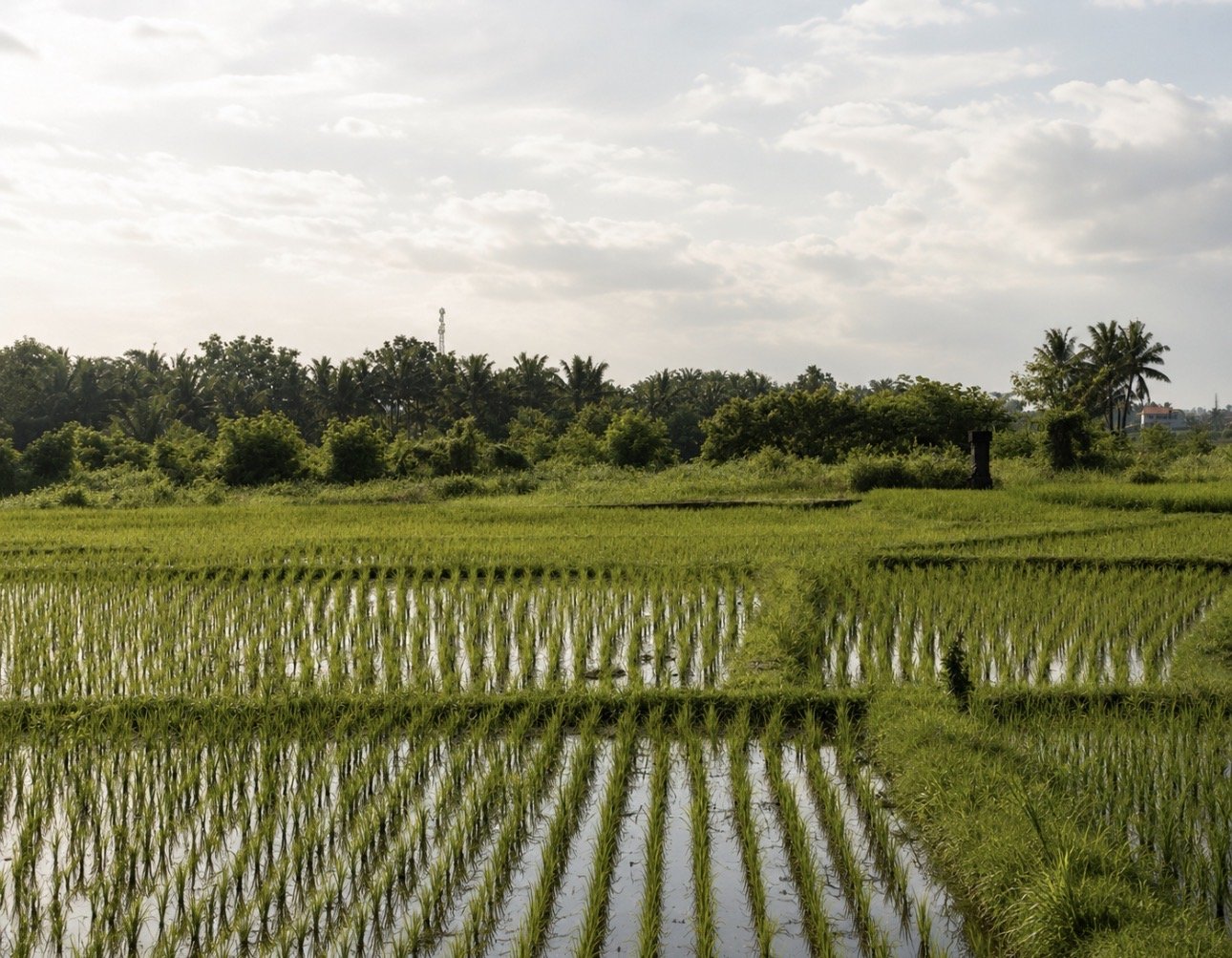
Here, rice is more than landscape. It is part of the rhythm of life itself—fields shaped by water, cultivation and generations of knowledge. Around Ubud, the terraces seem to follow the contours of the land almost instinctively, creating a landscape that feels both carefully tended and completely natural. There is a particular stillness here, among the palms, narrow paths and flooded fields, where the pace of the island seems to slow and the relationship between people and the land becomes impossible to overlook.
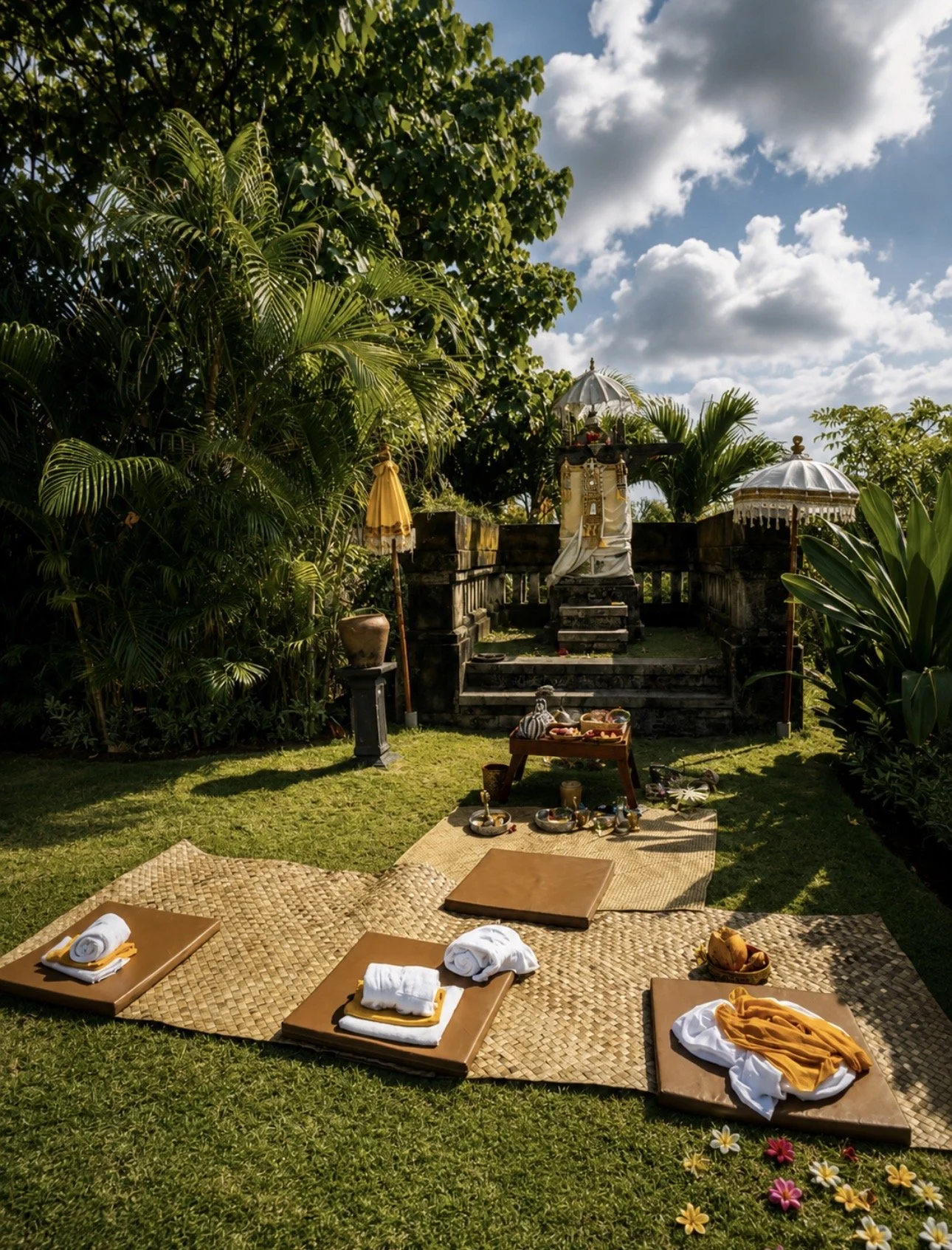
I arrived at Melukat curious about a tradition I had never experienced. I left carrying something much harder to describe. Guided by Priest Made through water, prayer and silence, what began as a ceremony became one of the most personal moments of my time in Bali.
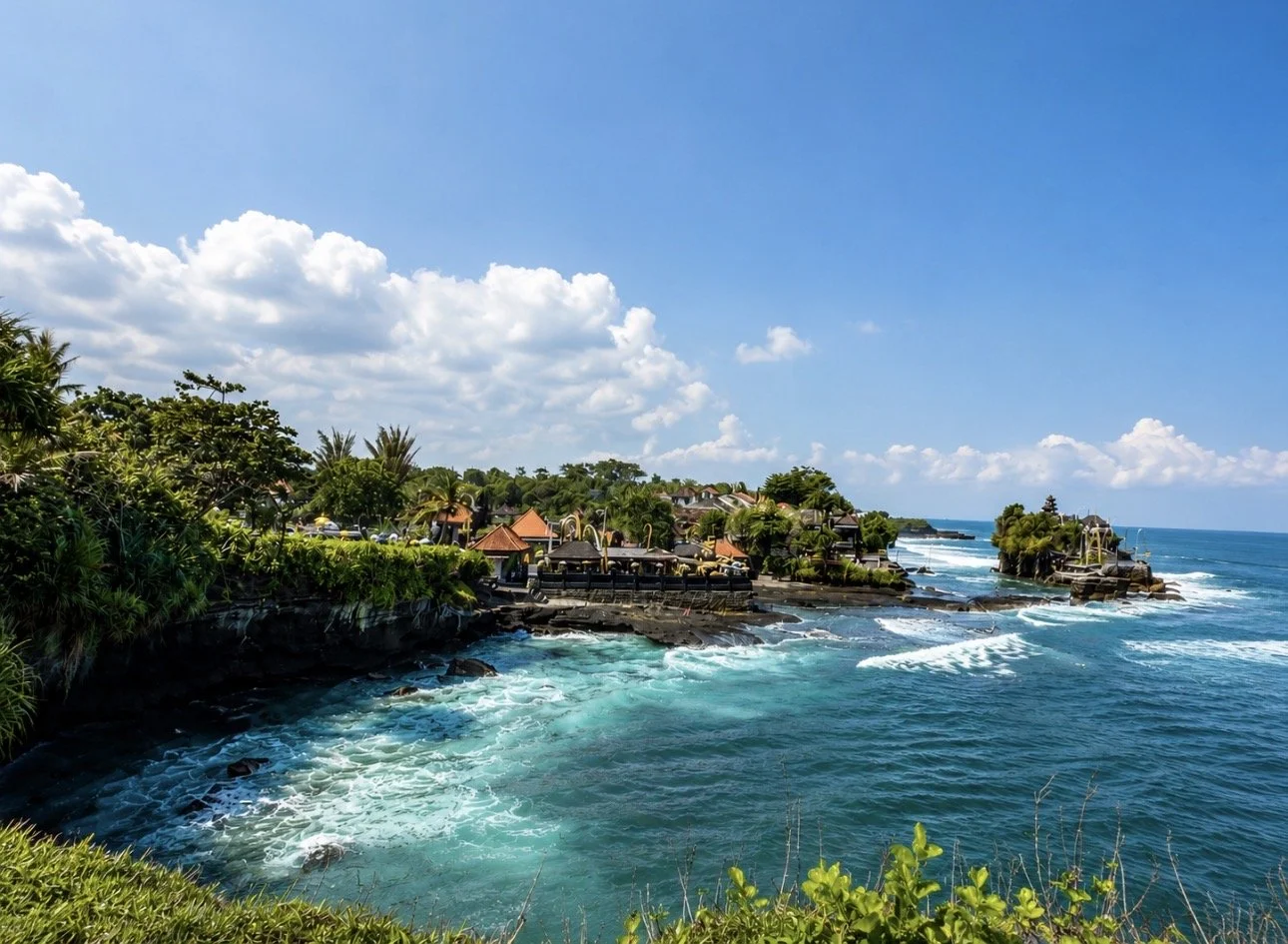
Along Bali’s coastline, the island reveals another side of itself—where temples rise beside the sea and the sacred becomes part of the landscape. Here, faith and nature seem inseparable, shaped by the rhythm of the ocean and traditions that have endured for generations.
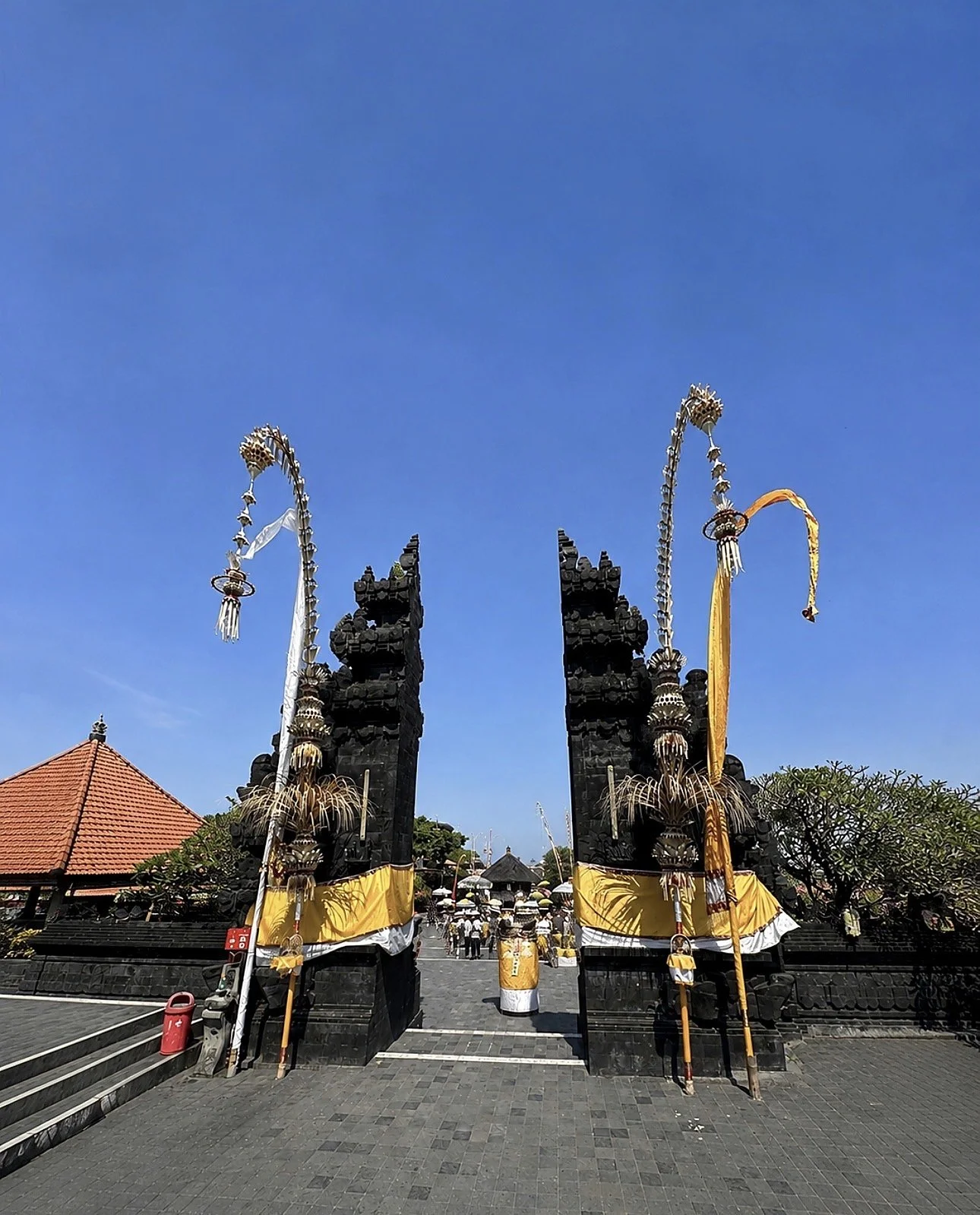
Beyond the coastline, Tanah Lot revealed itself in smaller details. At the entrance, offerings, ceremonial cloth and the graceful curve of the penjor marked the passage into a sacred space. It was another reminder that in Bali, devotion is not confined behind temple walls. It is present in the gestures of everyday life, quietly immersed in the landscape and in the way people move through it.
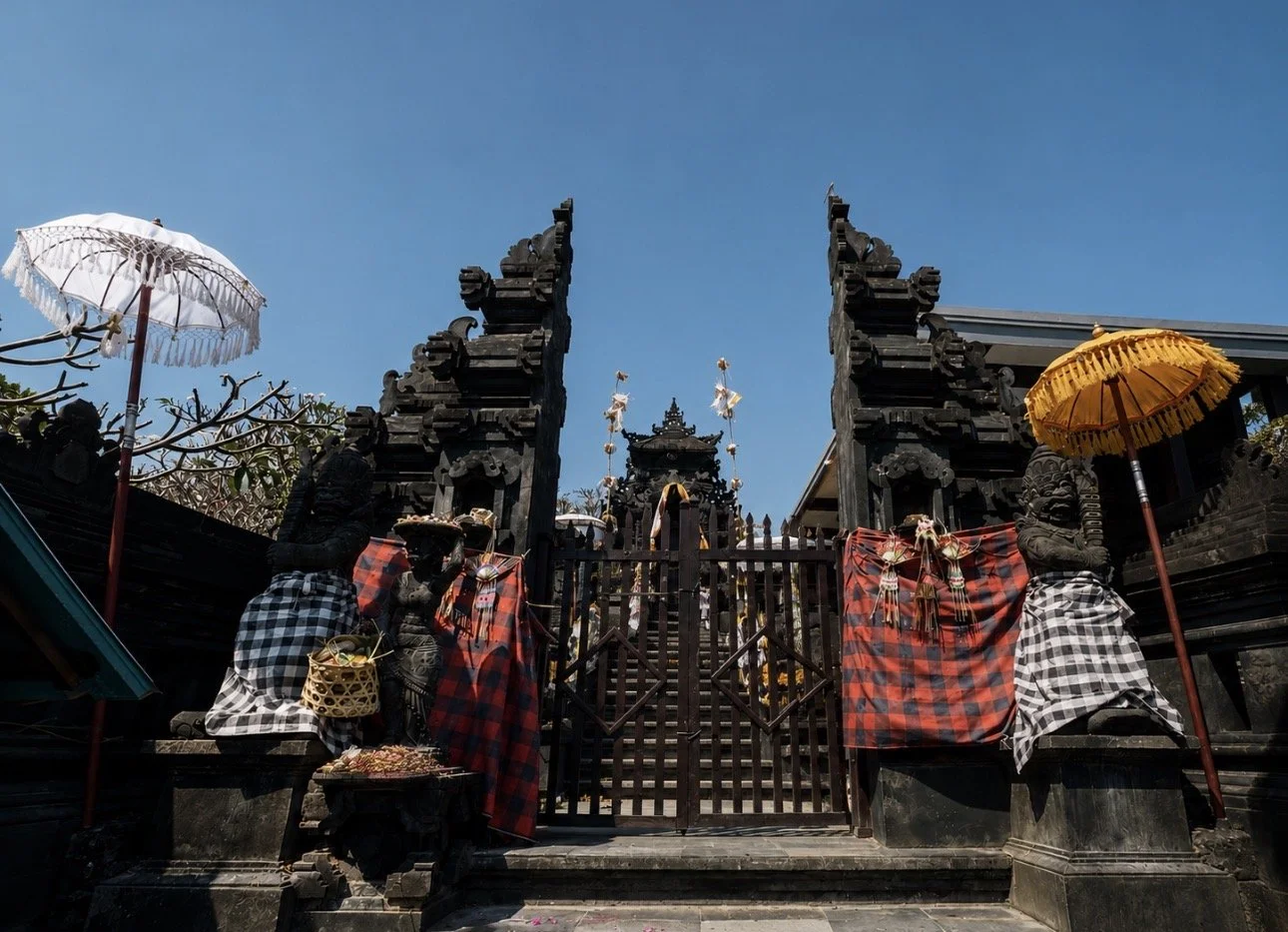
At the inner gate, the atmosphere became quieter. Offerings rested beside the entrance, ceremonial cloth wrapped the stone, and the space beyond felt deliberately protected. There was no need to enter every doorway to understand its meaning. Sometimes respect is simply knowing where to stop, observe, and allow a sacred place to remain sacred.
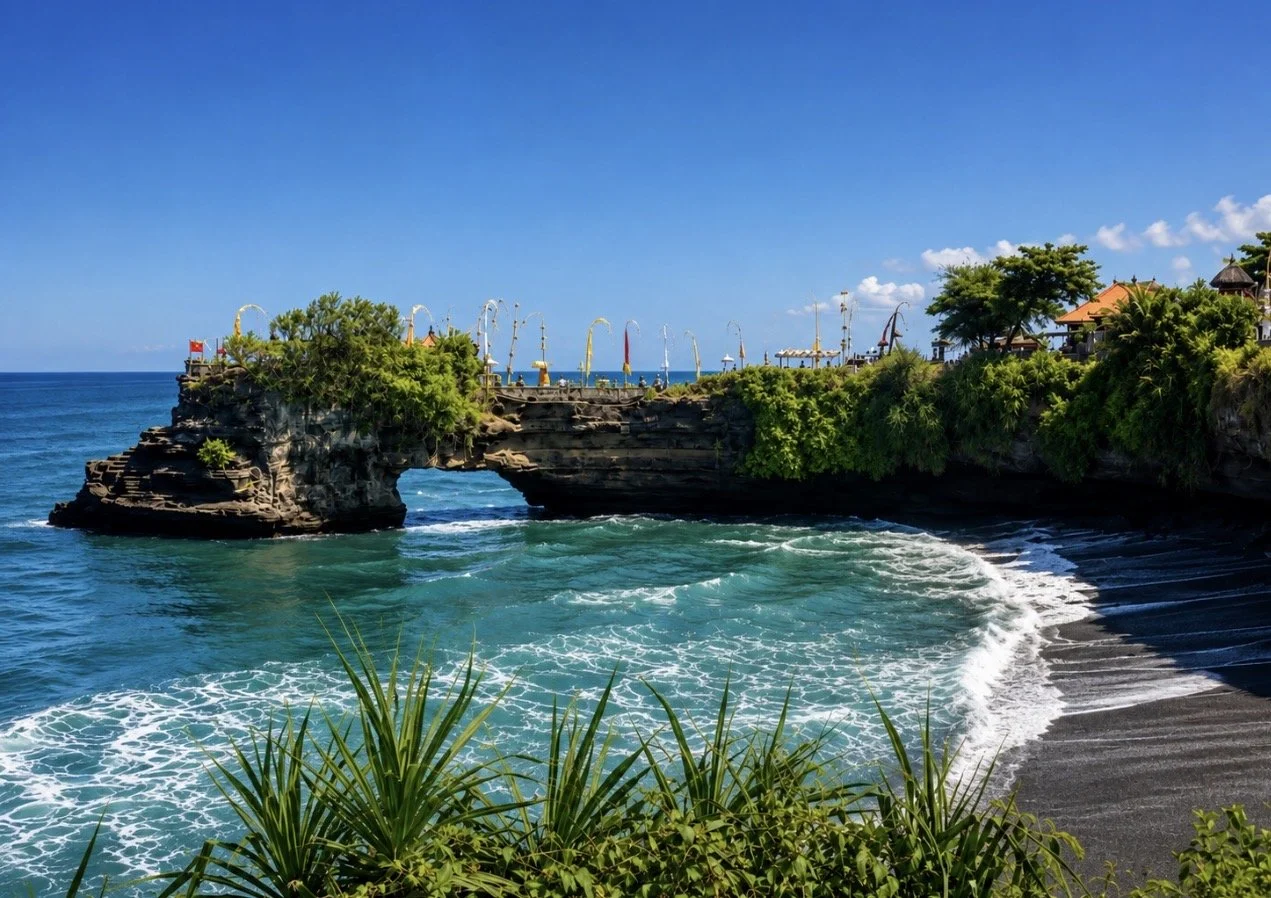
I came to Tanah Lot expecting the ocean and the temple to be what I remembered most. Instead, I found myself noticing the smaller things—the offerings at an entrance, the cloth wrapped carefully around stone, the places where you instinctively lower your voice and understand that you are a guest. Looking out across the water before leaving, I realized that this was the Bali I had slowly come to know: beautiful, yes, but also deeply spiritual, and always asking you to look a little closer.
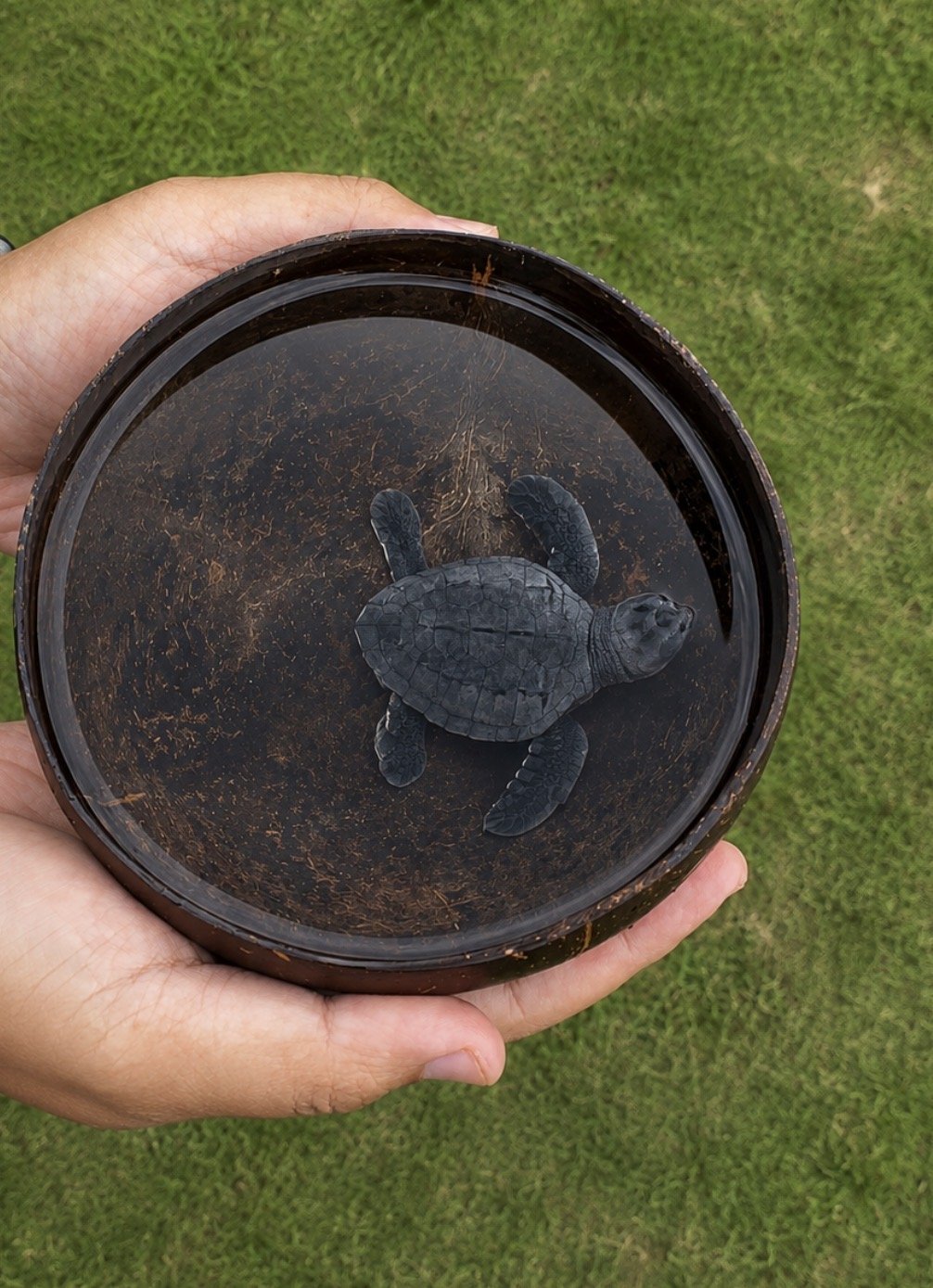
One of the smallest encounters in Bali became one of the memories I will carry the longest. Watching a baby sea turtle begin its journey toward the ocean was a moment I knew I wanted to remember.
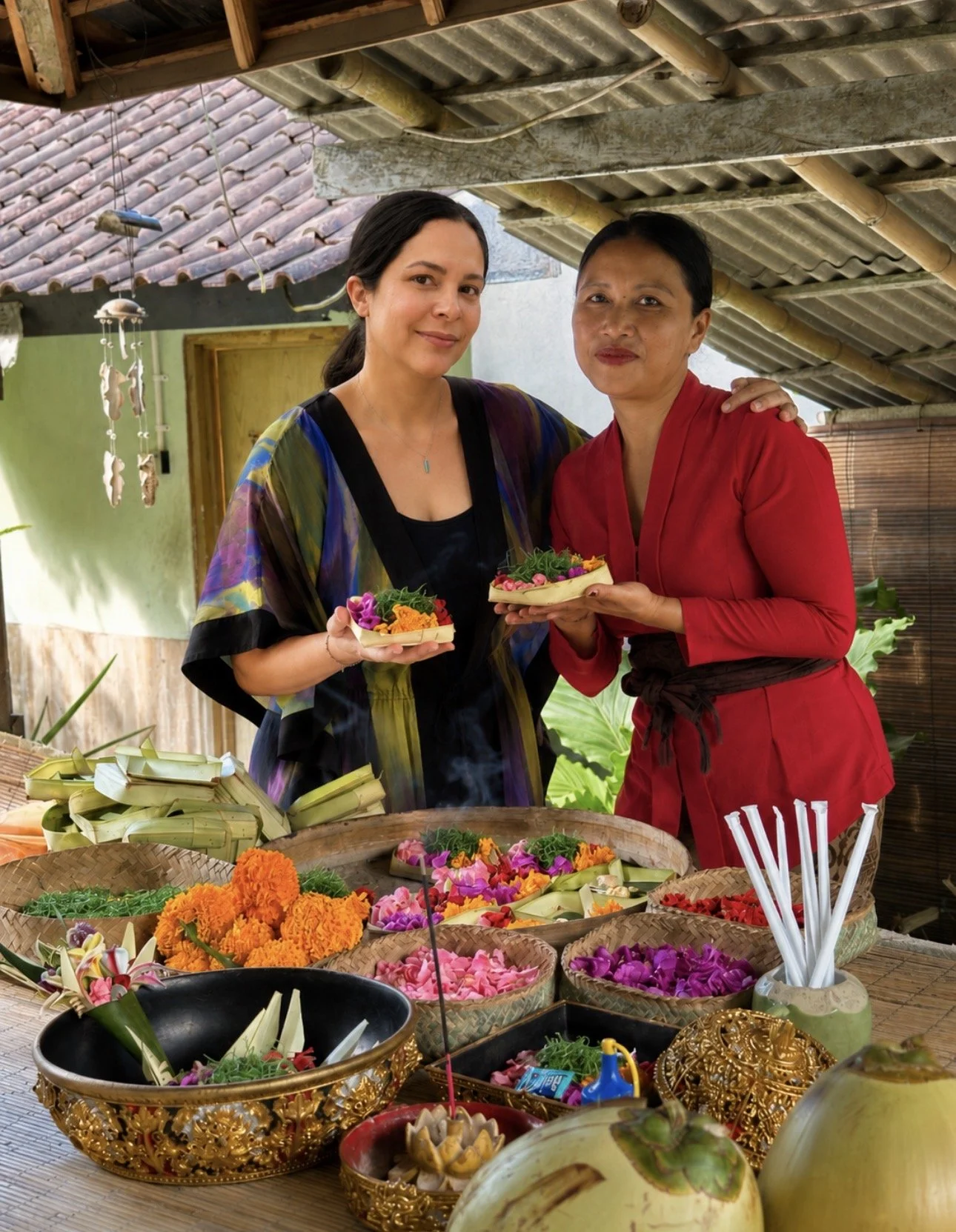
Some of Bali’s most meaningful moments were found away from the places I had come to see. Being welcomed into a local home and learning the quiet ritual of making traditional offerings offered a glimpse into a way of life where beauty, family and devotion are woven into the everyday.

In Pecatu, Bali takes on a more dramatic character—limestone cliffs falling toward the Indian Ocean, with the sound of the waves rising from far below. Here, it was a different kind of stillness: vast, secluded, and almost suspended between sea and sky.
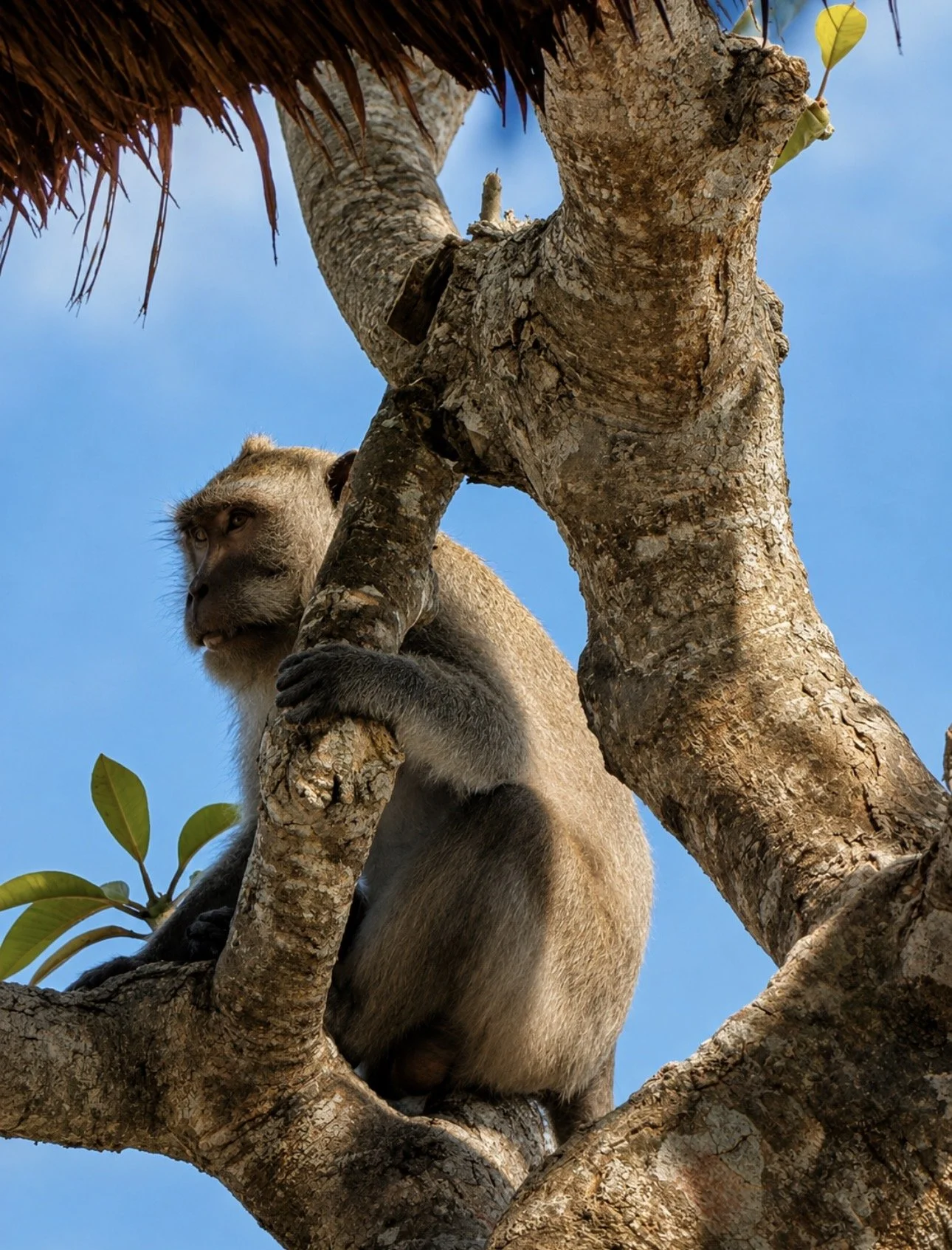
Here, the macaques seem as much a part of the landscape as the cliffs themselves—watchful, curious, and completely at home between forest, temple and sea.
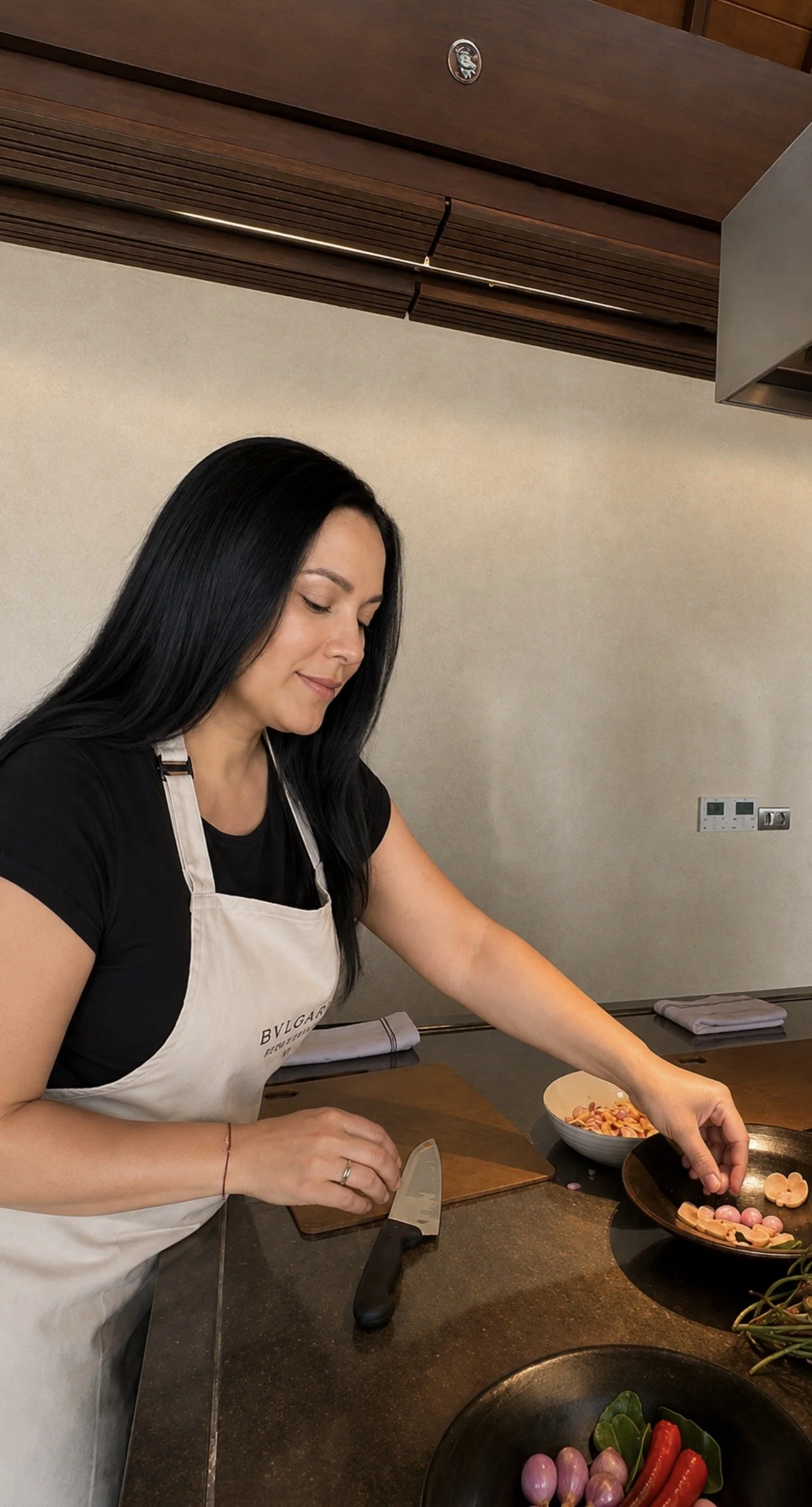
Balinese cooking begins with fresh ingredients, spices, and techniques passed down through generations. Spending time in the kitchen gave me the chance to understand what lies behind those flavors—and to experience Bali through its food.
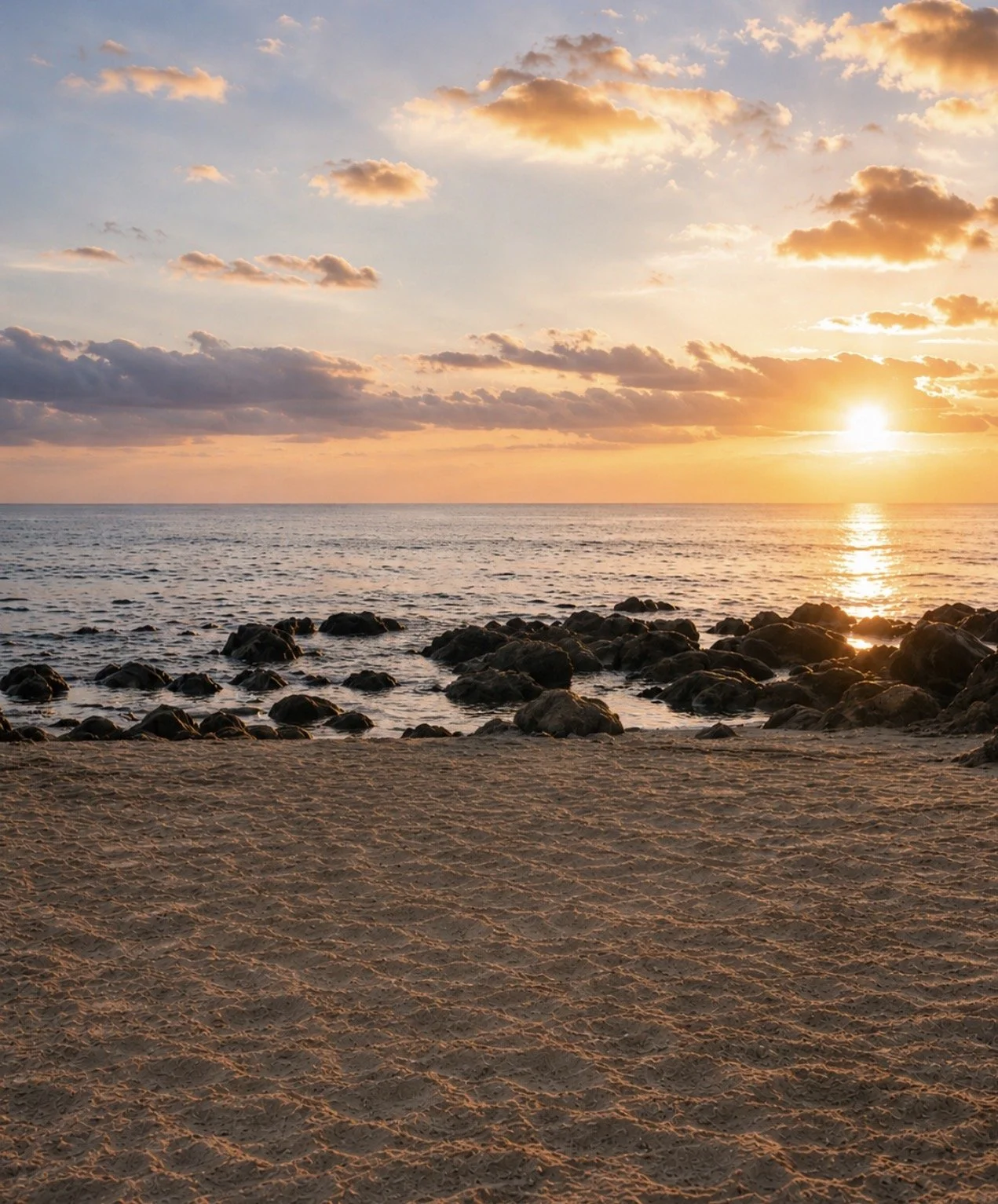
In Jimbaran, Bali softened again. Evenings seemed to unfold slowly, with the ocean stretching toward the horizon and the last light settling over the shore. It was a quieter expression of the island—intimate, warm, and beautifully unhurried.
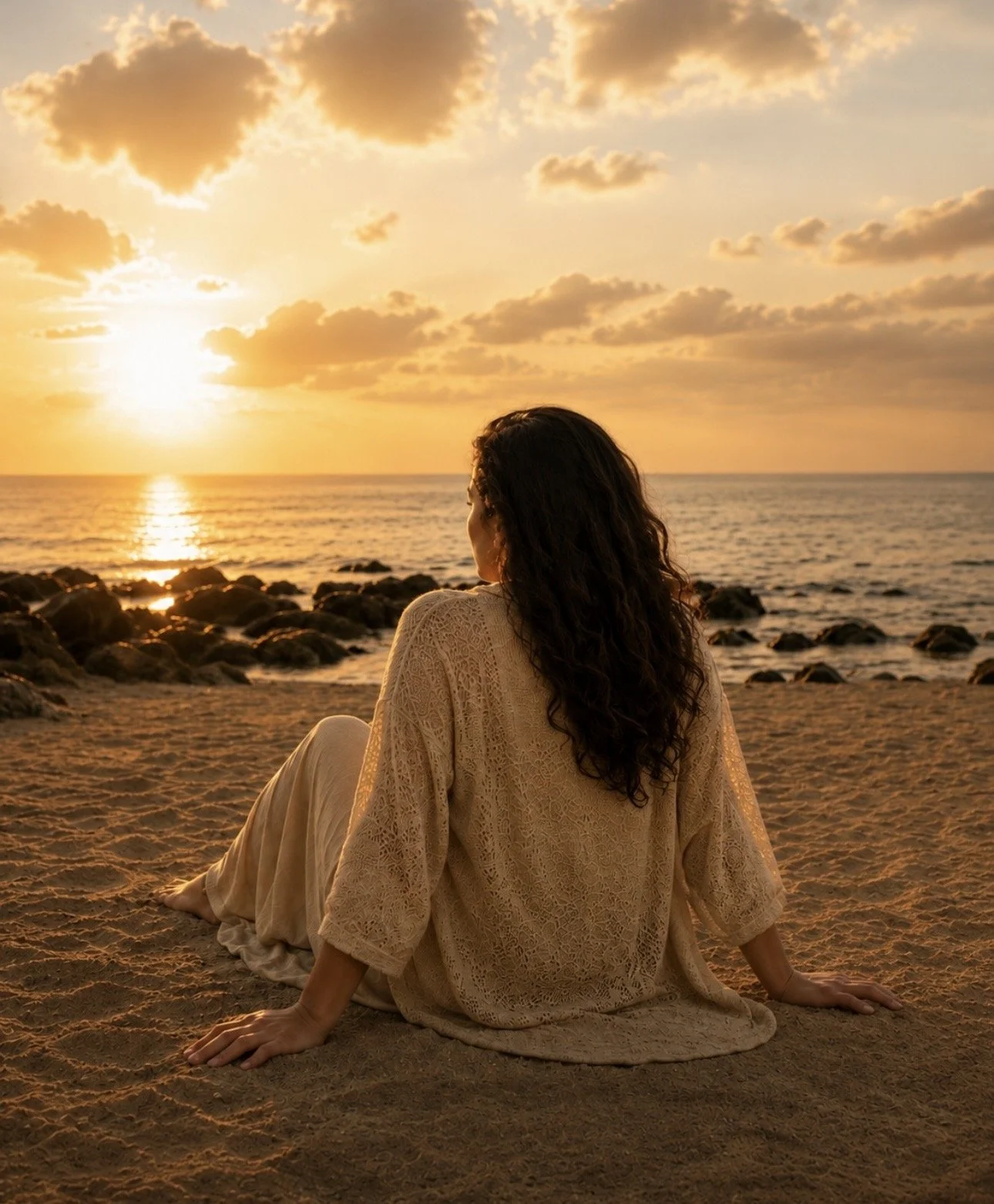
Bali gave me more than I expected to find here. There were places that took my breath away, but it was often the quieter moments that meant the most—the people I met, the traditions I was invited to witness, and the unexpected experiences I was fortunate enough to share with my family. Sitting by the ocean on one of our last evenings, I wasn’t thinking about everything we had seen. I was simply grateful that we had been here, together. And somehow, leaving Bali felt less like saying goodbye and more like knowing I would find my way back.