Within a Balinese Home
There are places one visits, and others into which one is quietly received. Here, I was welcomed into a family home and, for a little while, into the rhythm of a life unlike my own. Nothing felt arranged for my arrival. I was simply invited to sit, to listen, and to learn.
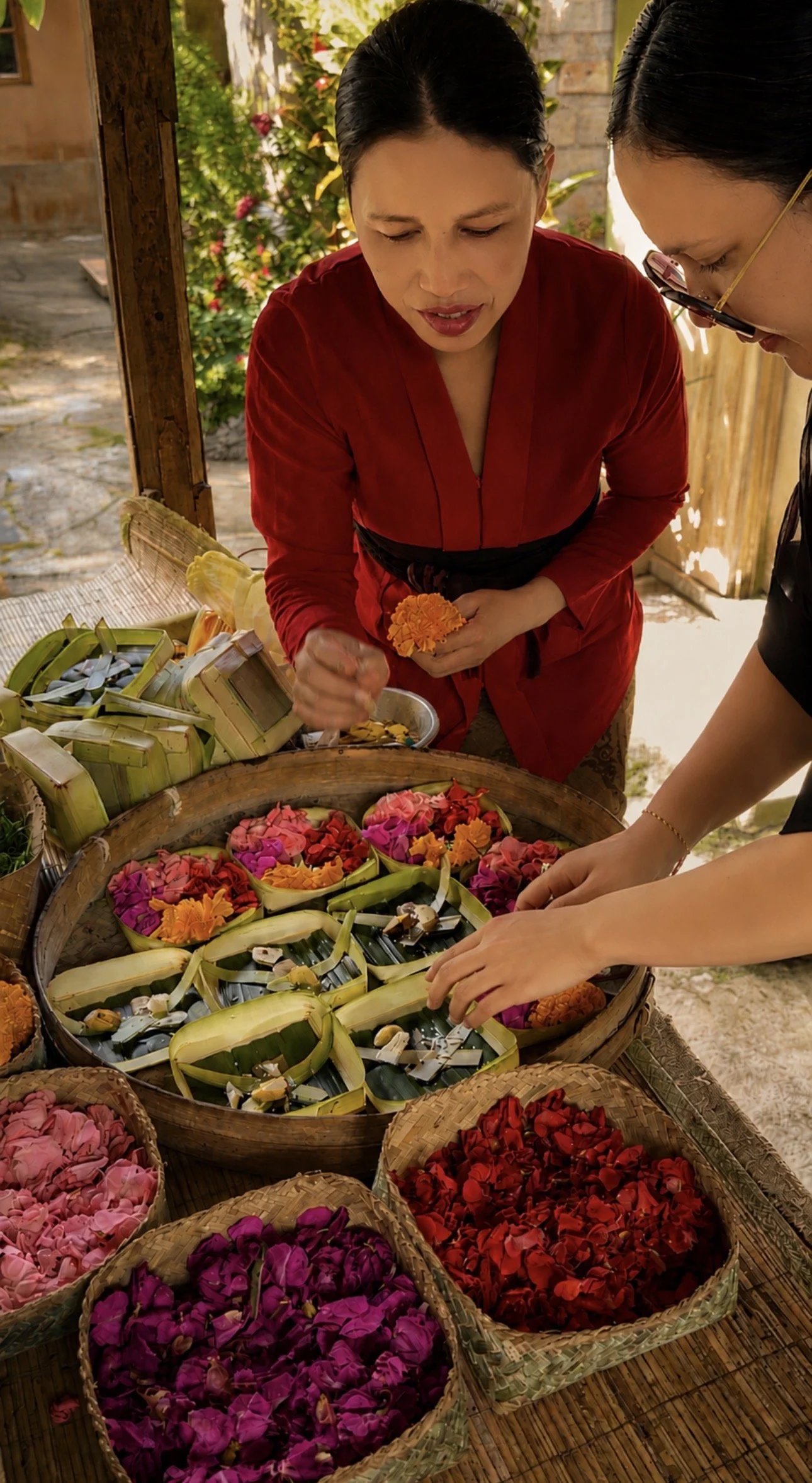
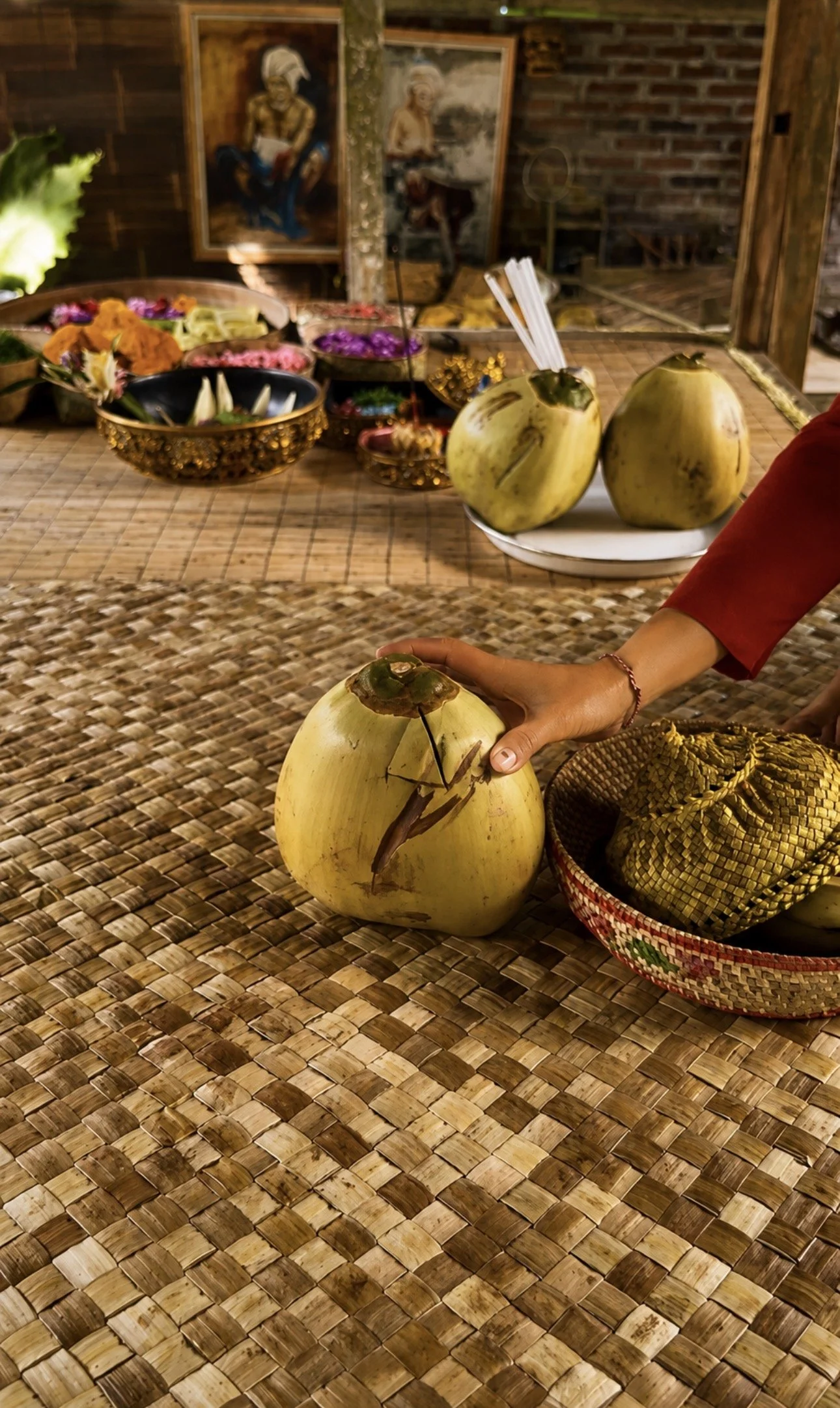
A Balinese home reveals itself slowly. Rather than a single house beneath one roof, it is a collection of separate spaces gathered around a shared courtyard, each with its own purpose. At its heart, the sacred and the everyday live side by side—a place for prayer and offerings, but also for making, creating, and carrying on the work of the family. Here, home is not merely where life is lived; it is where traditions are quietly kept alive.
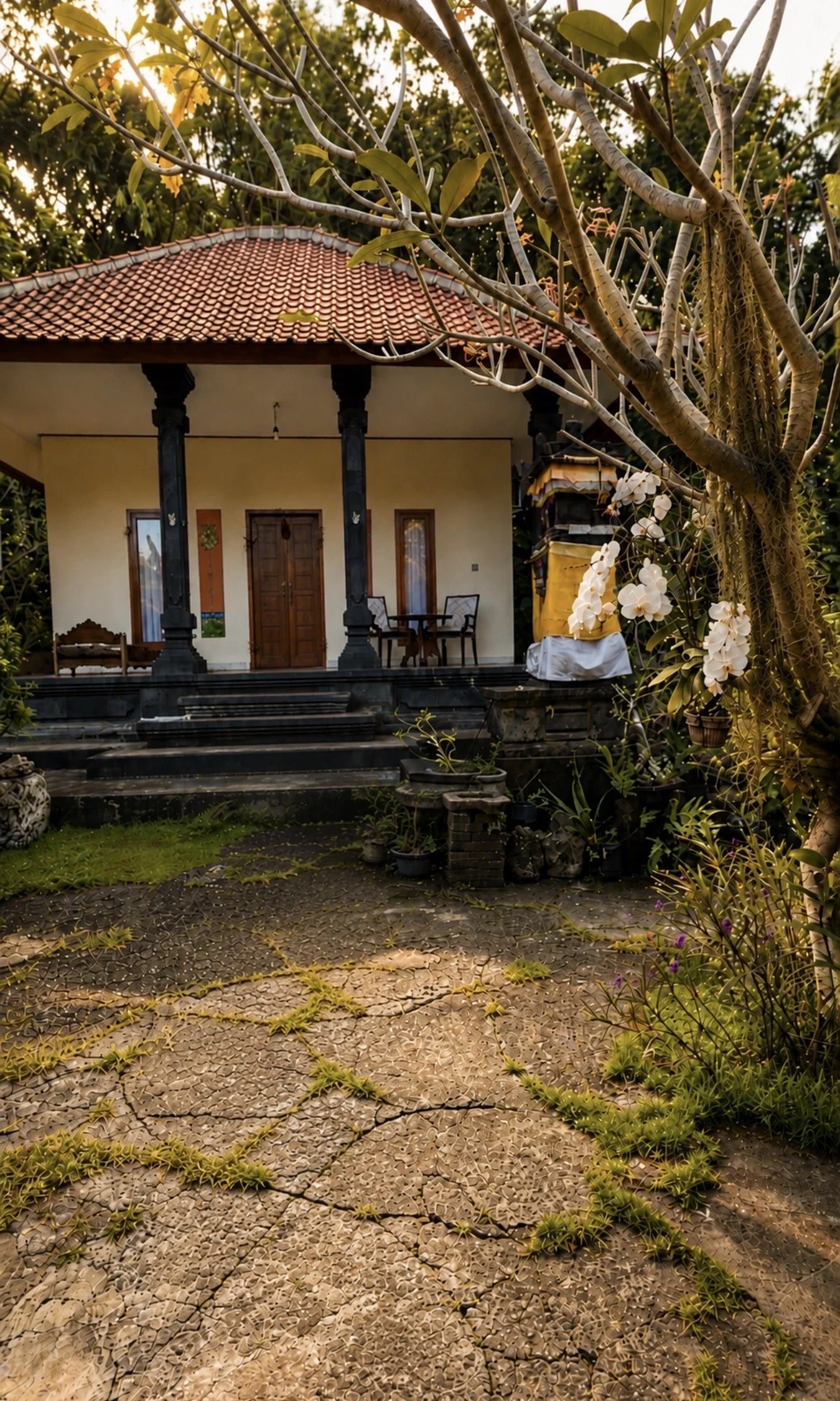
The house itself seemed to tell the story of the family who lived there. In the Balinese tradition, life does not unfold beneath one roof, but among separate spaces gathered around a shared courtyard. Here, prayer, family, work and creativity quietly meet. There is a place for offerings, a place for making, and often, a place where a talent learned over a lifetime becomes part of the household itself.
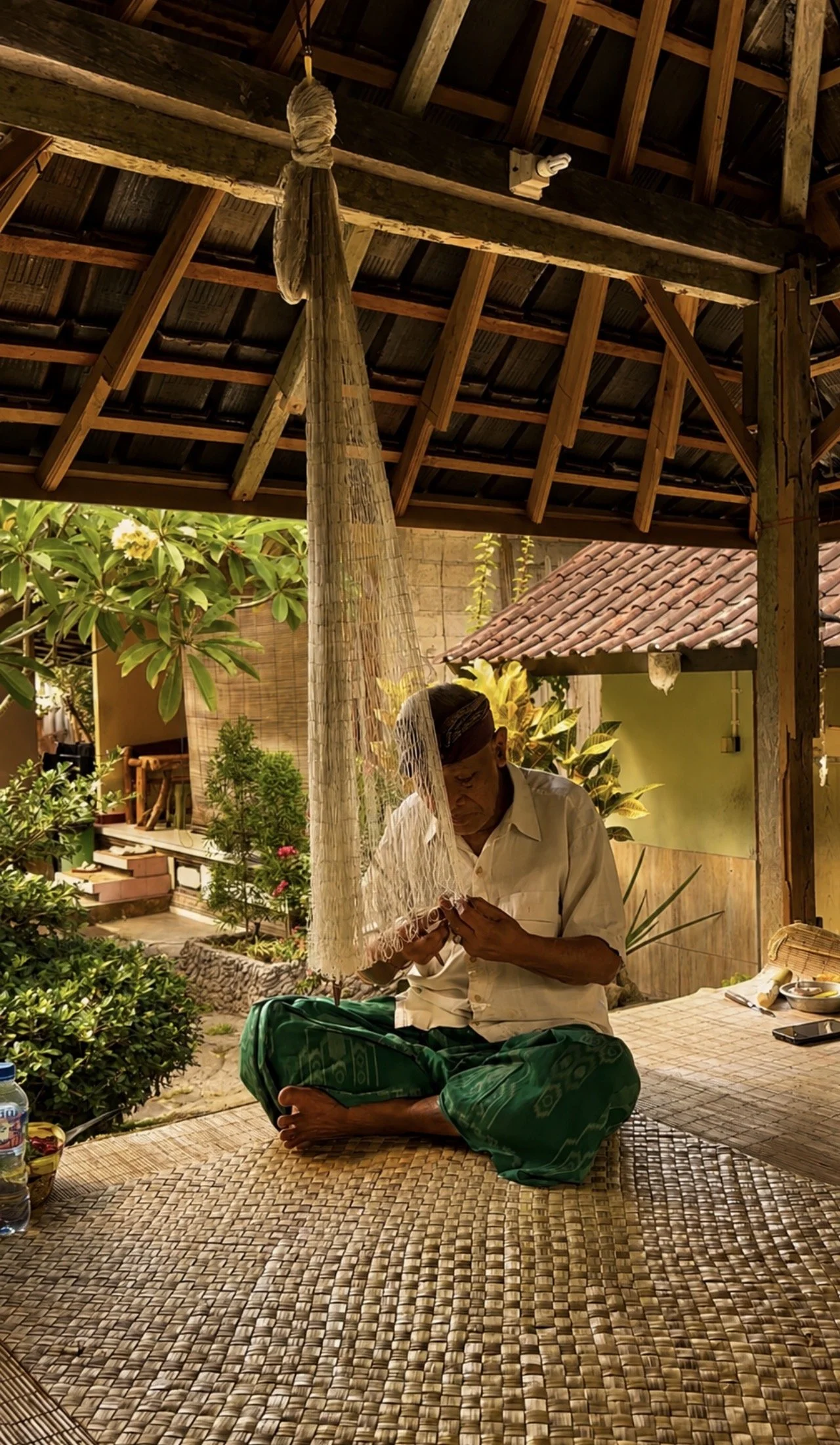
I watched his hands work with the quiet certainty of someone who had known these gestures for years. There was no separation between home and craft here. What he made belonged to the rhythm of the household, passed down not as something preserved for display, but as something still lived.
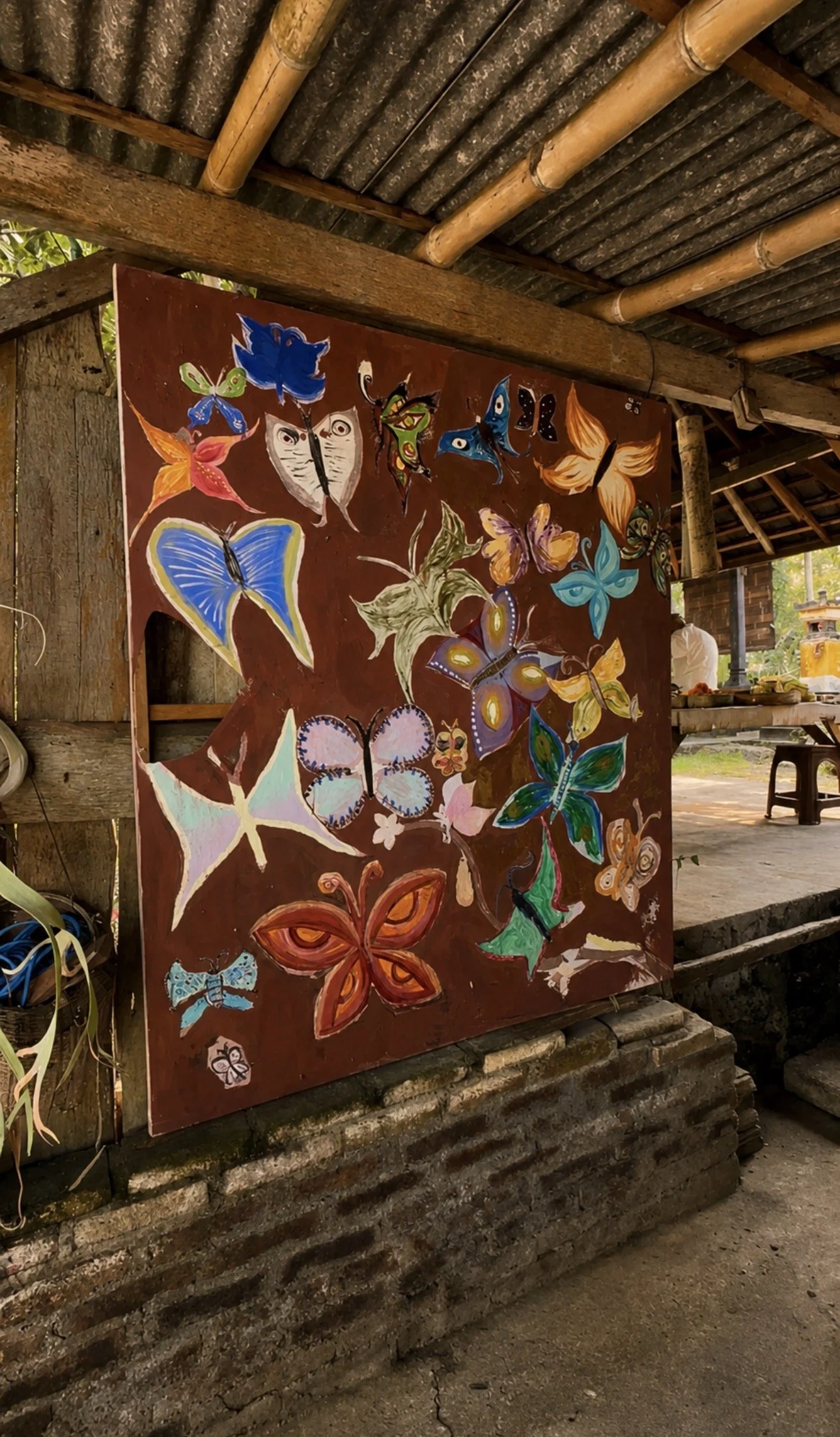
Throughout the home, I began to notice how naturally creativity belonged to everyday life. Painting, weaving, making—these were not things set apart in studios or saved for special occasions. They existed among the ordinary objects of the day, shaped by a gift or craft a member of the family had made their own.
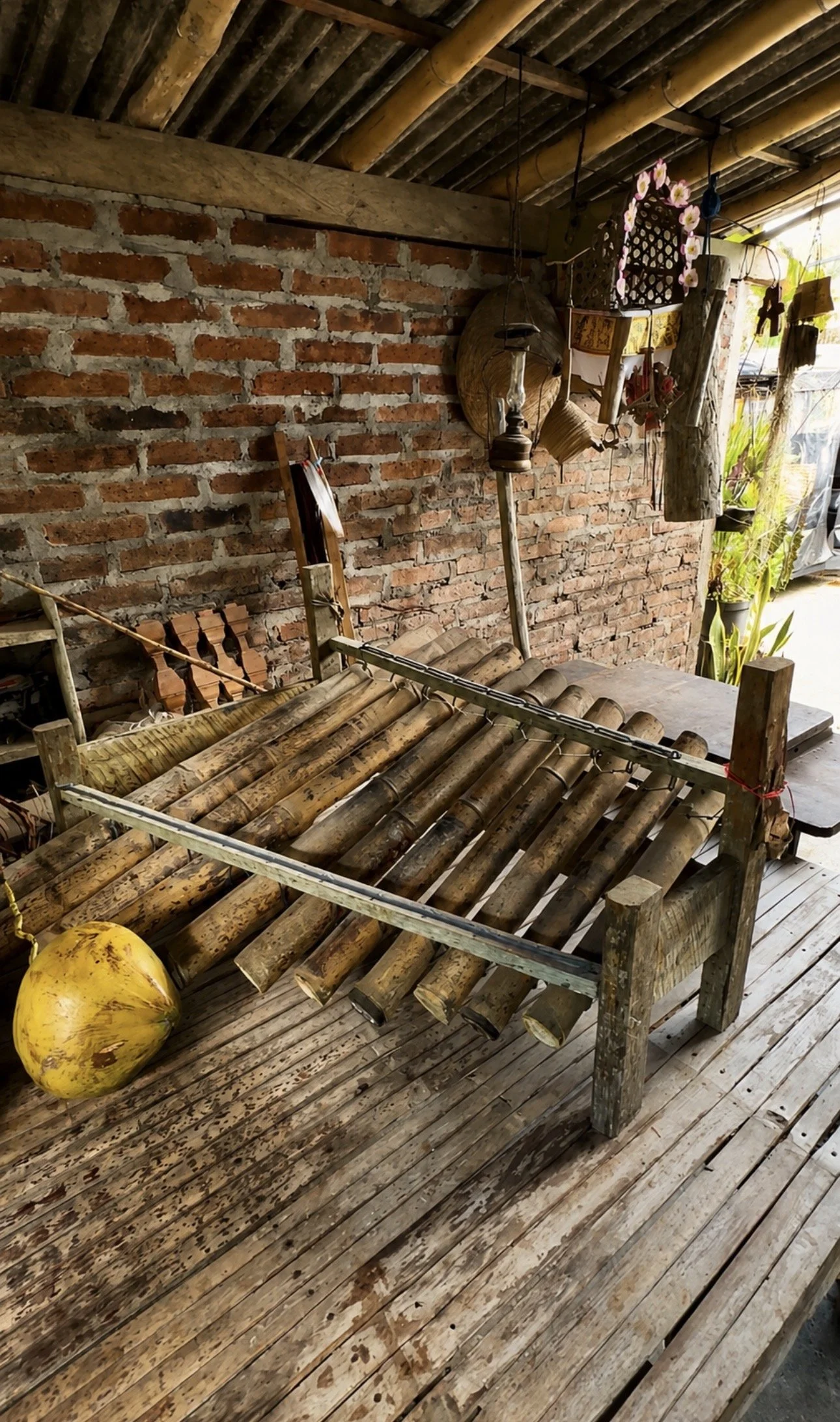
Here, beneath a simple roof, the grandfather shapes bamboo into instruments by hand.
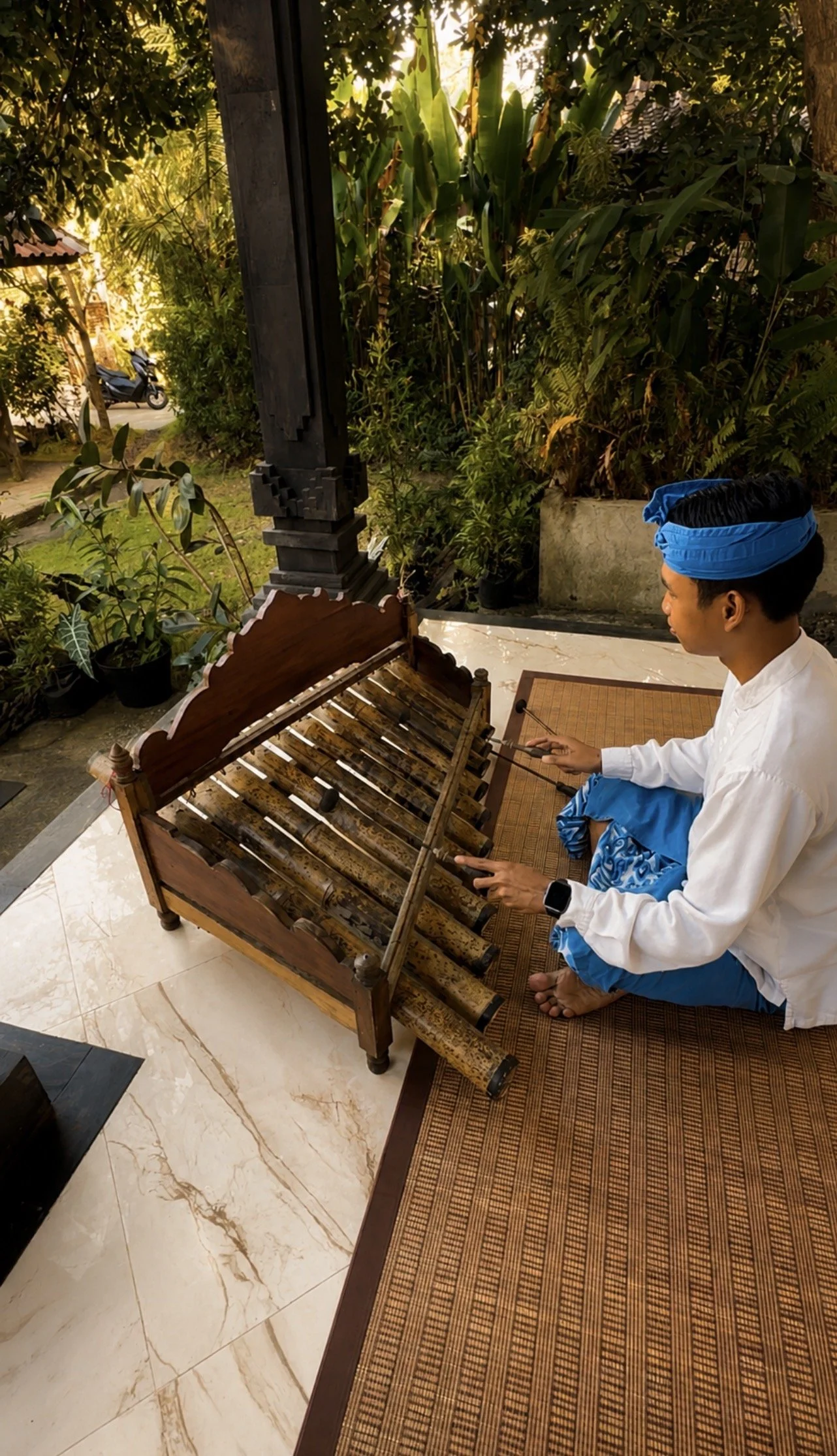
And then there was music. The instrument was not merely something kept in the house, but part of its rhythm—present in gatherings, ceremonies and moments shared between generations. Like the crafts I had seen around me, music seemed to belong not to performance alone, but to life itself.
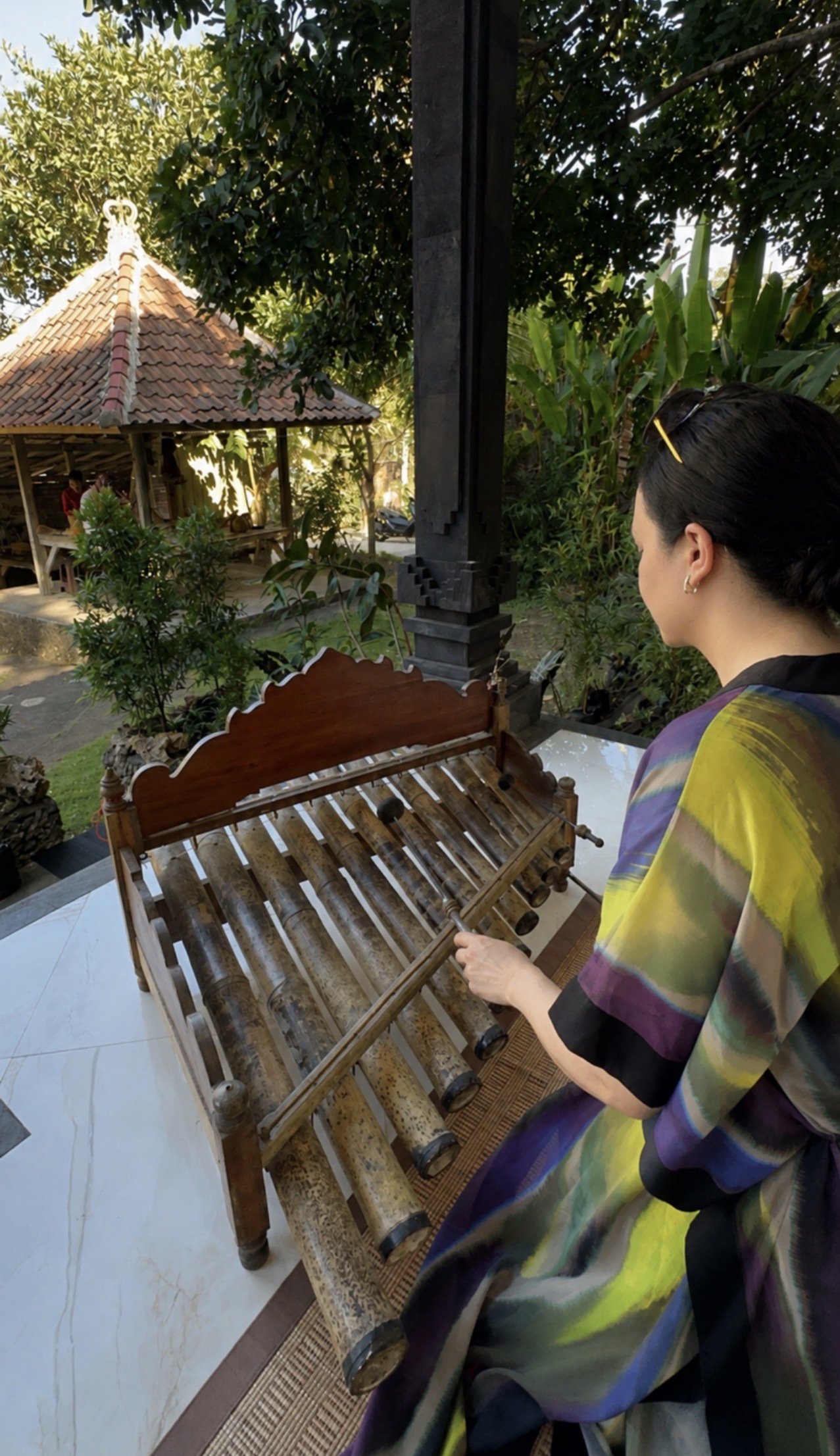
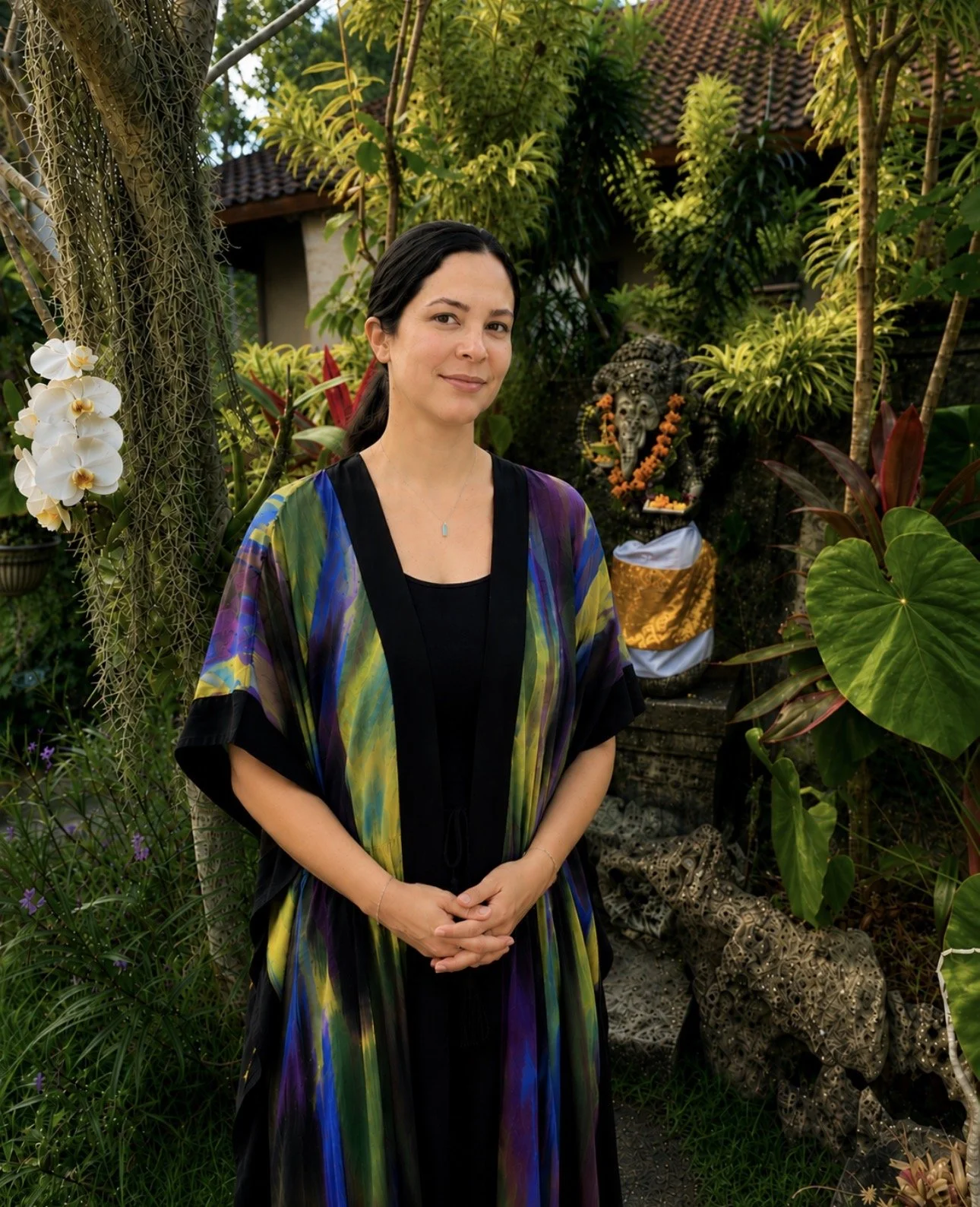
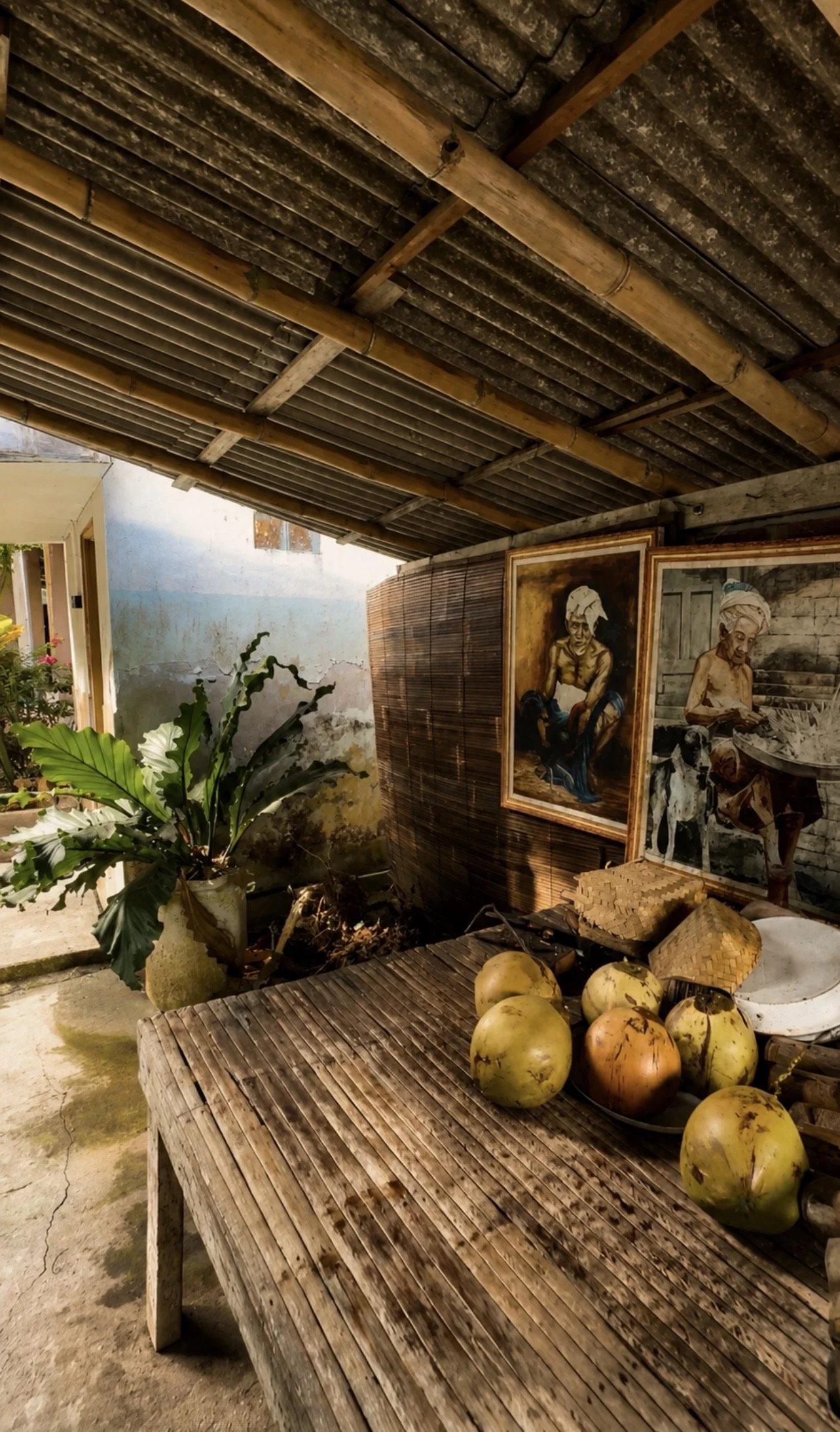
Here, a home held more than family. It held prayer, craft and livelihood—shaped by hand, passed through generations, and lived as naturally as the day itself.
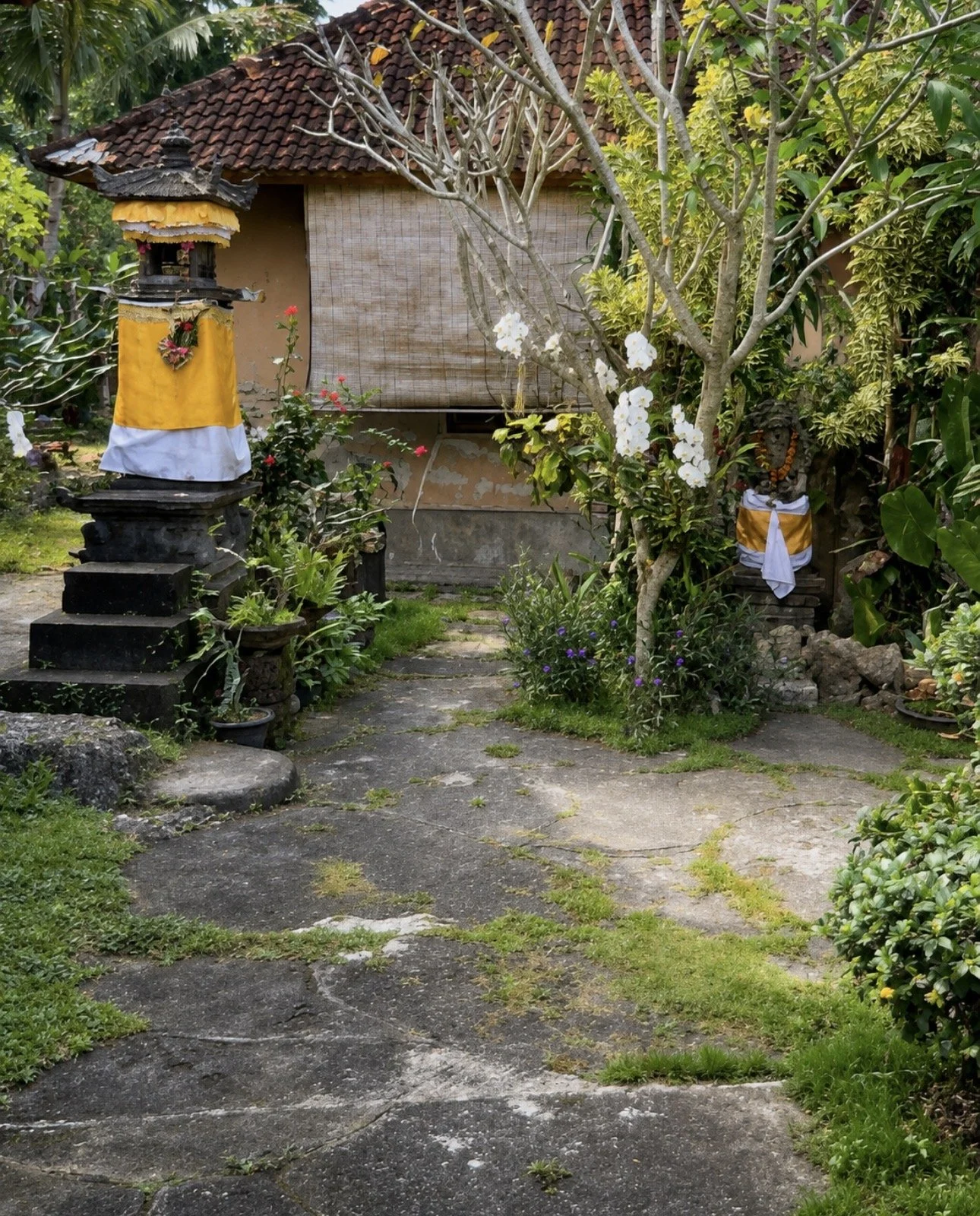
At the heart of the home, devotion had its own place—not apart from daily life, but quietly within it.
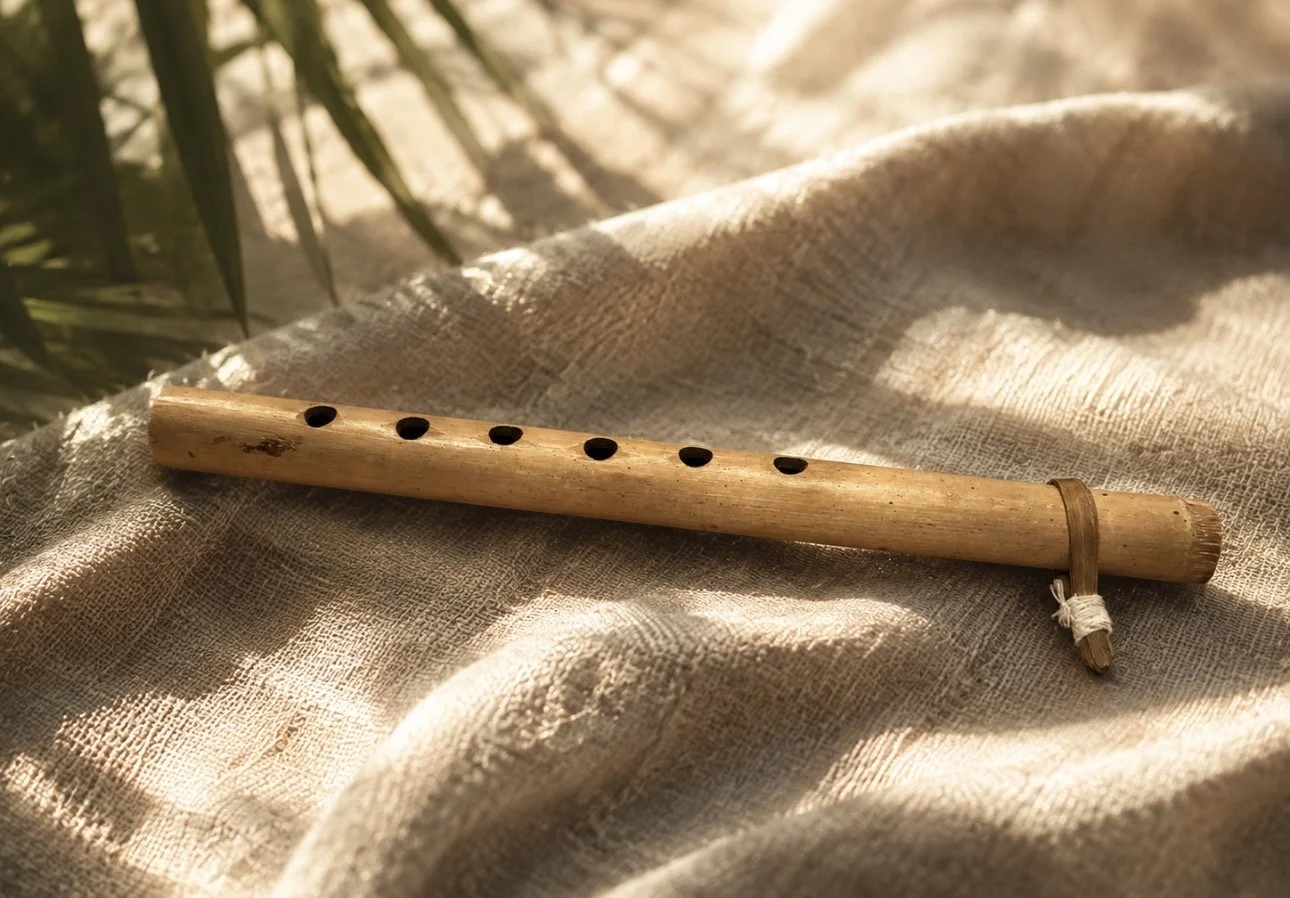
Before I left, Wahyu’s grandfather gifted this instrument to my son. Handmade in the same home I had just been welcomed into, it became more than something I brought back from Bali. It carries the memory of Wahyu and his family, of the generosity with which they opened their home to me, and of a morning I never expected to mean so much.
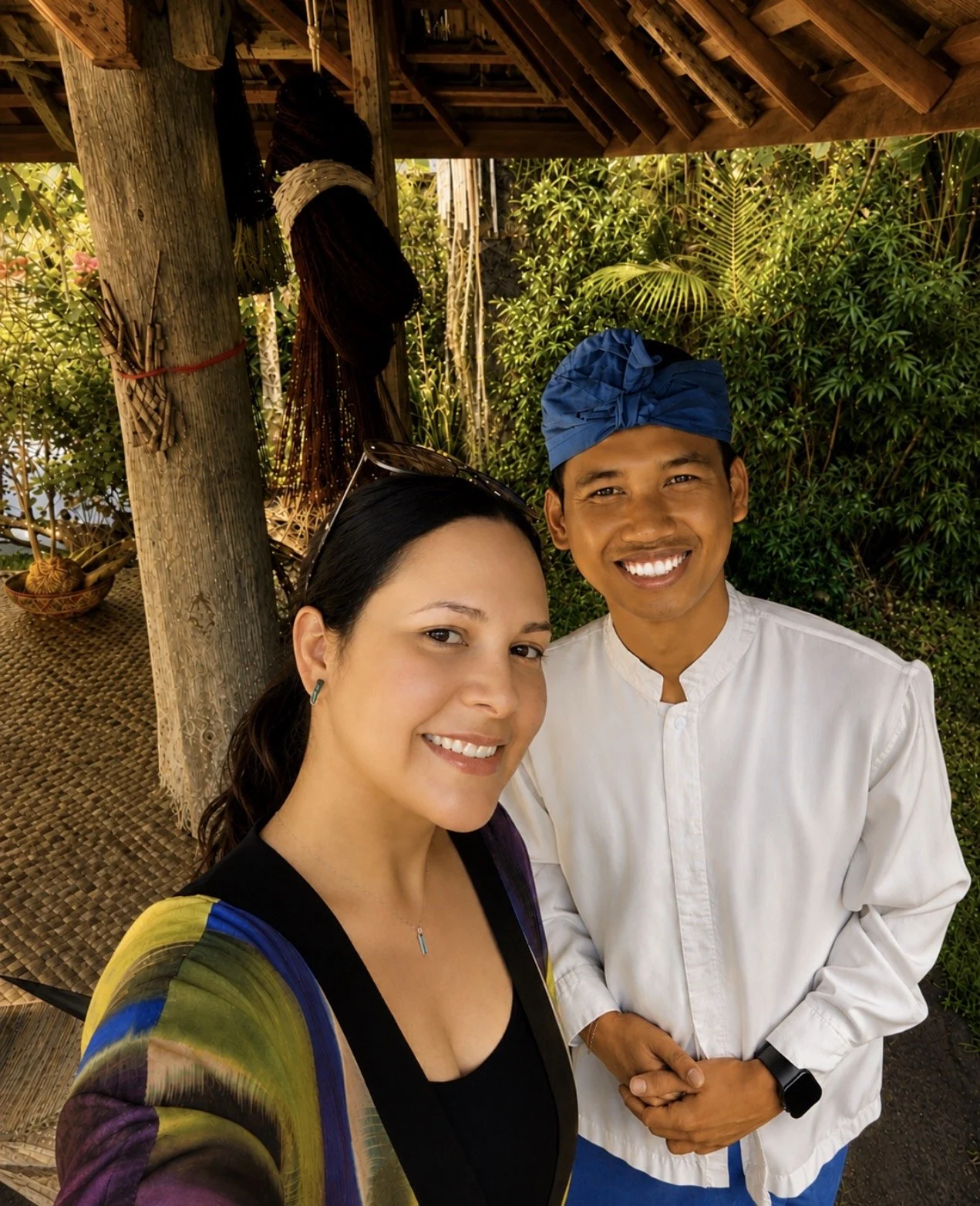
I left with a gift in my hands, and the powerful feeling that, for a little while, another way of life had been generously shared with me.